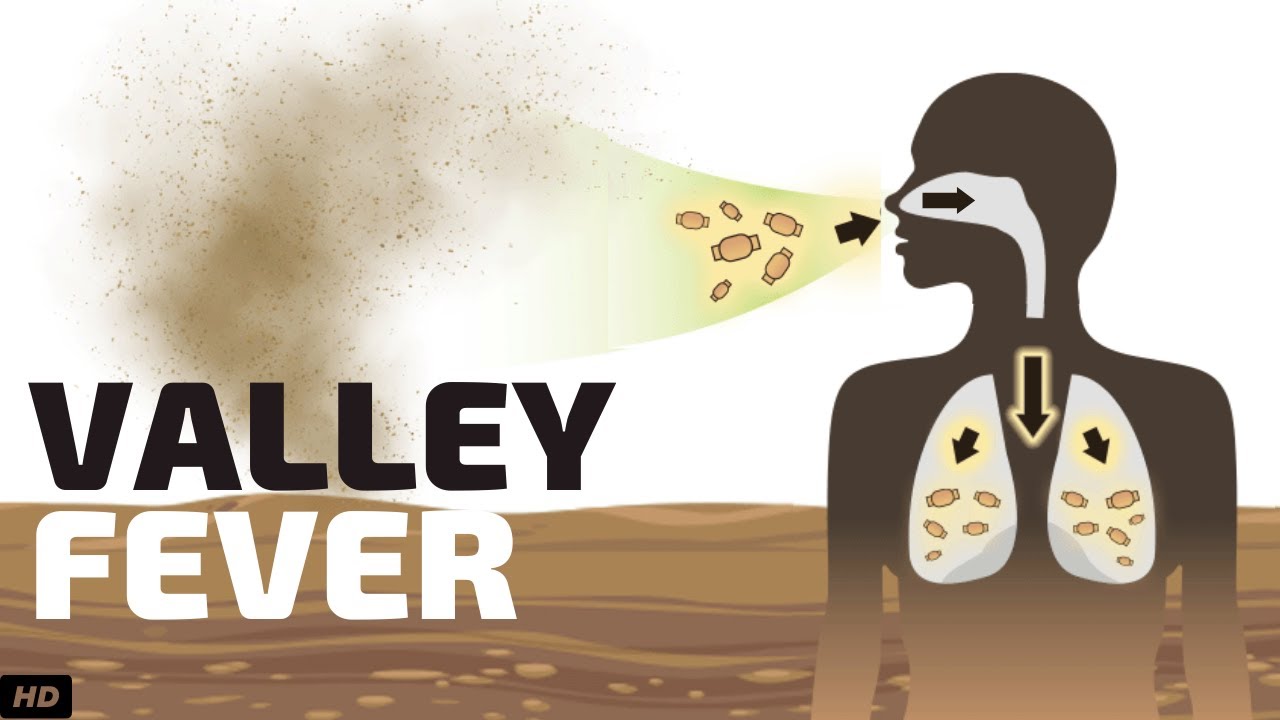
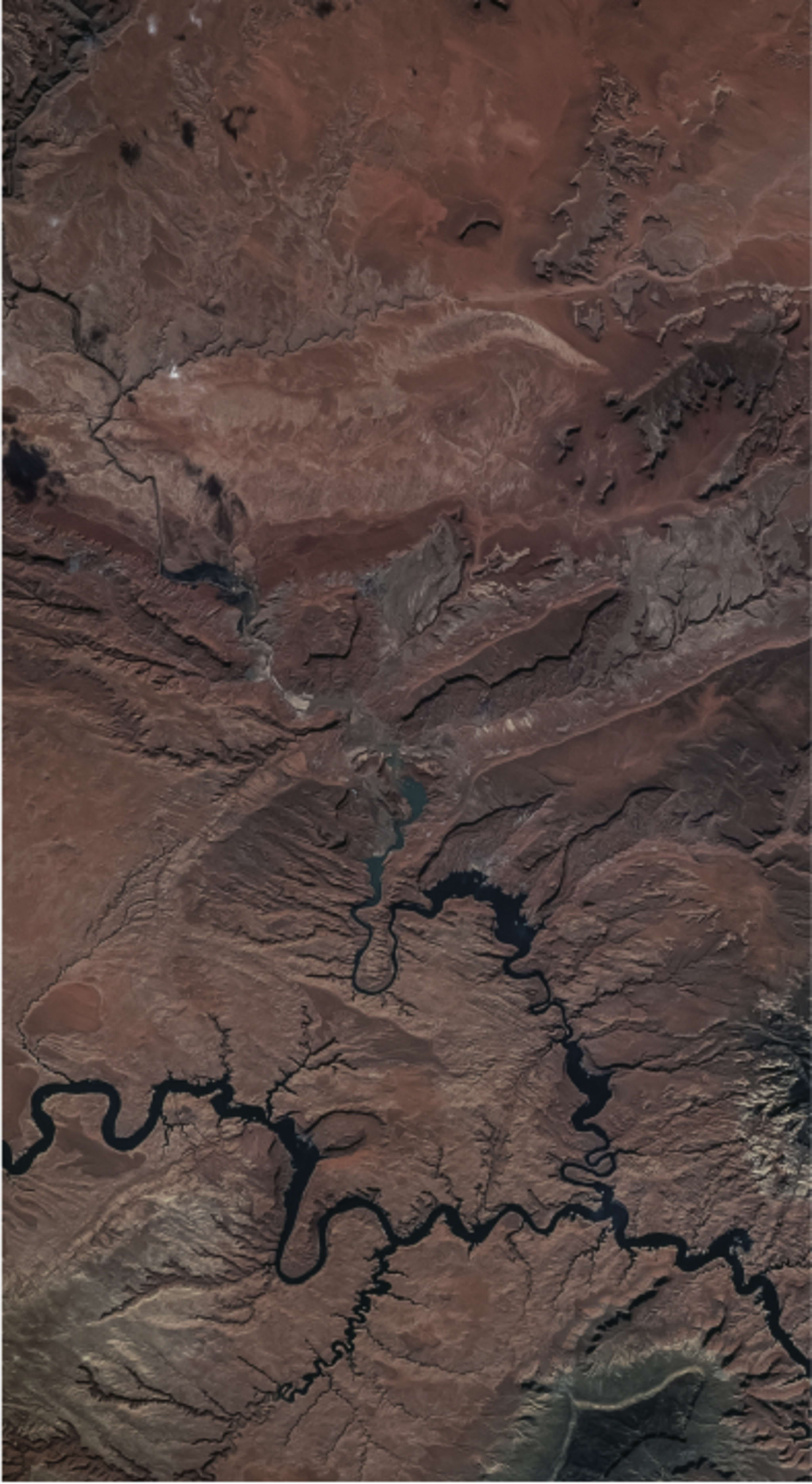
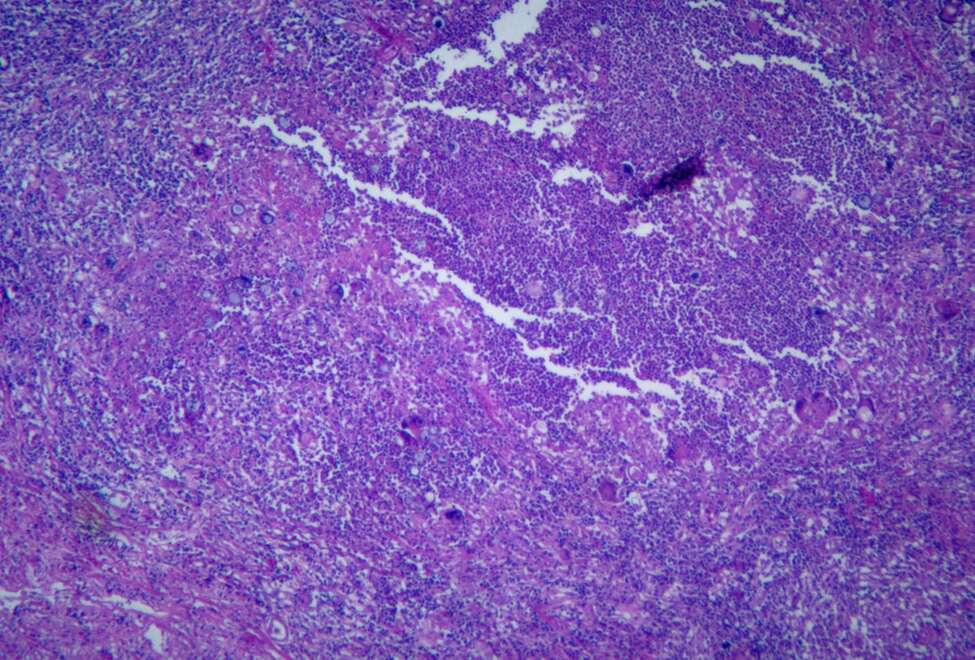
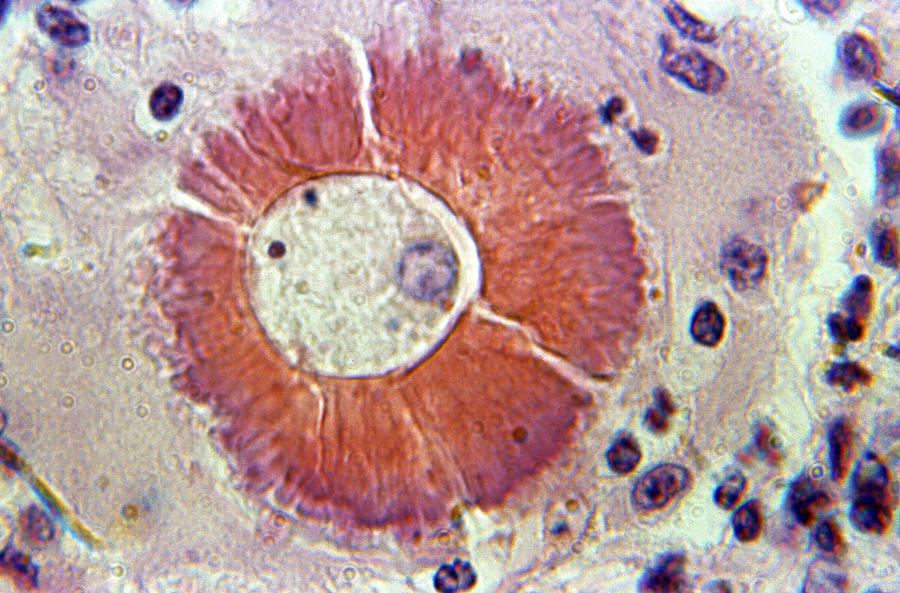
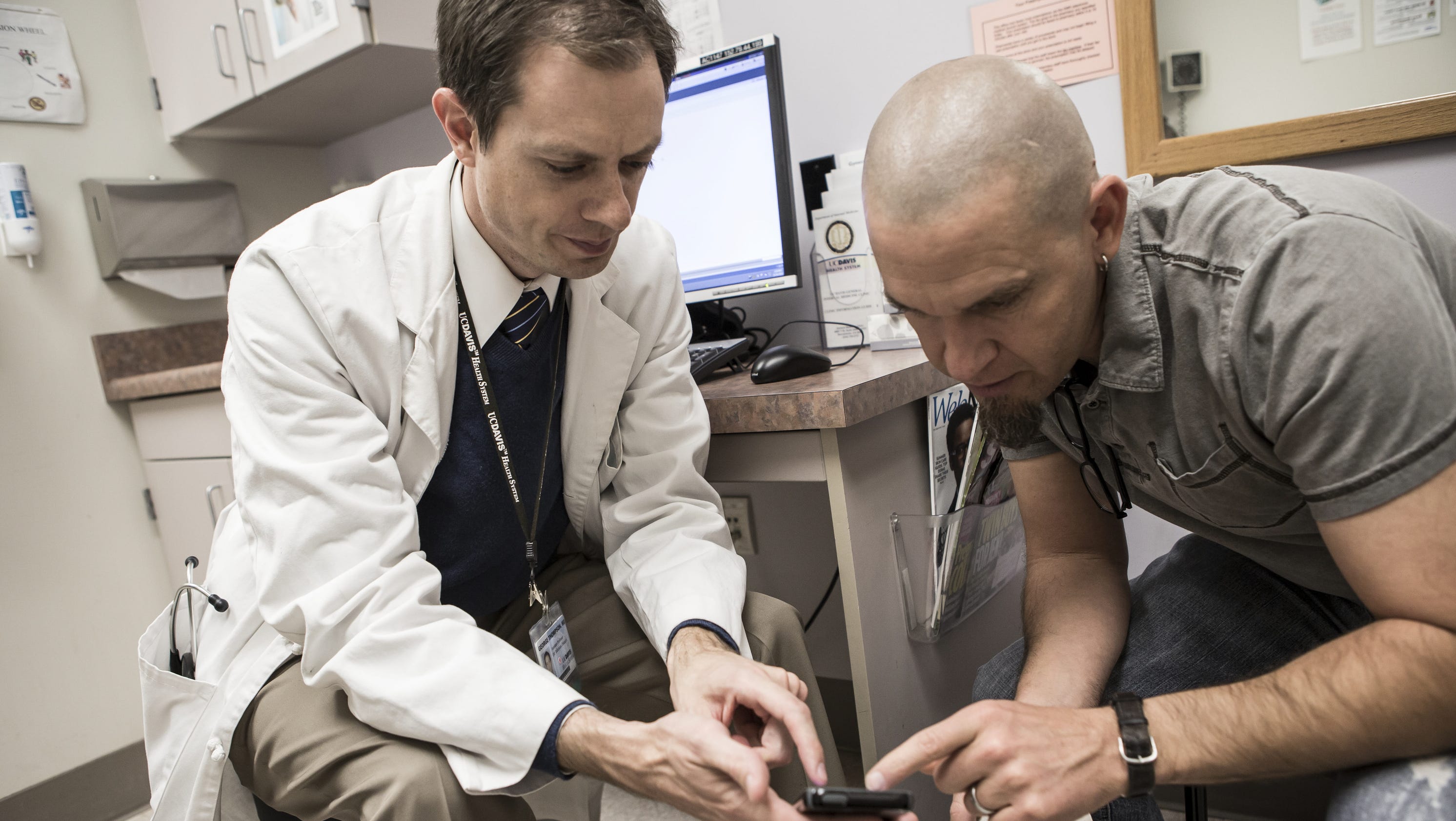
Valley fever, also known as coccidioidomycosis, is a fungal infection caused by the Coccidioides species of fungus. It is commonly found in the soil of the southwestern United States, Mexico, and parts of Central and South America. The disease can range from mild to severe and can affect anyone, but it's more common in people who work outdoors or engage in activities that involve disturbing soil.
Symptoms of Valley Fever
The symptoms of valley fever can vary from person to person, but common signs include:
Fever
Chills
Fatigue
Cough
Chest pain
Shortness of breath
Headache
Muscle aches
Joint pain
Rash
In severe cases, valley fever can cause more serious complications, such as pneumonia, meningitis, or osteomyelitis.
Diagnosis of Valley Fever
Diagnosing valley fever can be challenging, as the symptoms are similar to those of other respiratory illnesses. The Mayo Clinic recommends the following tests to diagnose valley fever:
Chest X-ray: to check for lung damage or inflammation
Computerized tomography (CT) scan: to provide more detailed images of the lungs
Sputum test: to check for the presence of the fungus
Blood test: to check for antibodies against the fungus
Skin test: to check for a reaction to the fungus
Treatment Options for Valley Fever
Treatment for valley fever depends on the severity of the disease. Mild cases may not require treatment, while more severe cases may require antifungal medication. The Mayo Clinic recommends the following treatment options:
Antifungal medication: such as fluconazole or itraconazole, to kill the fungus
Rest and hydration: to help the body recover from the infection
Oxygen therapy: to help with breathing difficulties
Pain management: to relieve symptoms such as headaches and joint pain
In severe cases, hospitalization may be necessary to provide supportive care and monitor the patient's condition.
Prevention and Precautions
While it's not possible to completely prevent valley fever, there are steps you can take to reduce your risk of infection:
Avoid disturbing soil: when working outdoors or engaging in activities that involve digging or excavating
Wear protective gear: such as masks and gloves, when working outdoors
Avoid traveling to areas: where the fungus is common, especially during periods of high wind or dust
In conclusion, valley fever is a serious disease that requires prompt diagnosis and treatment. If you suspect you have valley fever, it's essential to seek medical attention from a qualified healthcare professional, such as those at the Mayo Clinic. With proper treatment and care, most people can recover from valley fever and avoid long-term complications. By understanding the symptoms, diagnosis, and treatment options, you can take steps to protect yourself and your loved ones from this fungal infection.